
Pros and Cons of Exterior Electrical Junction Boxes
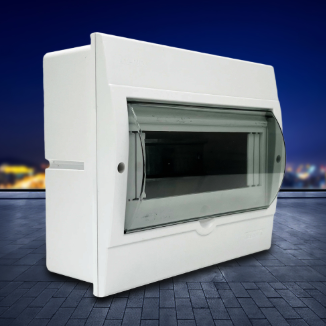
Core functional demands placed on exterior electrical junction box hardware
An exterior electrical junction box creates physical and environmental shielding for exposed wire splices and terminal connections under outdoor conditions. Units deployed out‑of‑doors must cope with rainfall, dust, temperature swings, and occasional mechanical impact, requirements that indoor enclosures do not need to satisfy. Housing material quality, gasket sealing, cable‑entry gland design and rated IP protection class jointly define real‑world field performance. Even products with matching IP ratings deliver inconsistent service life when substrate and surface finishing differ. Selecting improper enclosure variants leads to hidden electrical risks such as short circuits, corroded terminals or loose contact points over long‑term outdoor exposure.
Practical field observations from suburban street lighting retrofitting project
One municipal contractor carried out retrofitting work for suburban street‑lighting circuits. Early project phases deployed low‑cost plastic exterior electrical junction box units. Several months after installation, field inspections discovered multiple failure points. UV radiation degraded plastic shell surfaces, and gasket material hardened under large temperature fluctuations. Rainwater penetrated into enclosure interiors and triggered terminal corrosion. Subsequent procurement switched toward galvanized‑sheet enclosures with upgraded silicone sealing gaskets. Follow‑up site checks recorded far lower failure rates. This real‑world municipal case illustrates how housing material and sealing component choices shape long‑term reliability for outdoor electrical connection nodes.
Performance comparison of mainstream exterior junction box housing materials
Reference information draws from IEC 60529 enclosure protection assessment standards for low‑voltage electrical accessories. The table below compares key practical traits.
| Housing Material | Mechanical Impact Resistance | UV‑Aging Performance | Typical Real‑World Drawbacks |
|---|---|---|---|
| Galvanized steel sheet | High structural rigidity | Acceptable with qualified surface coating | Surface coating damage invites local rust development |
| PC‑ABS engineering plastic | Moderate impact strength | Degrades gradually under continuous strong UV | Risk of shell brittlement after multi‑year outdoor exposure |
| Die‑cast aluminum alloy | Very high mechanical strength | Good anti‑corrosion performance | Higher unit procurement cost for general projects |
Notable operational advantages brought by exterior junction box solutions
Well‑specified exterior junction boxes deliver multiple tangible benefits for outdoor low‑voltage circuits. Enclosed housing keeps flying debris and precipitation away from live connection points, lowering probability of short‑circuit faults. Standardized mounting structures simplify on‑site wiring maintenance work without dismantling surrounding building fixtures. Properly selected galvanized‑steel variants resist physical blows from stray tools or minor collision events. Many unit designs support multiple cable‑gland positions to accommodate branched multi‑wire layouts for lighting, surveillance and outdoor power distribution networks.
Inherent limitations and common failure triggers for outdoor junction enclosures
Exterior electrical junction box hardware cannot eliminate all outdoor‑environment risks by itself. Several failure sources persist even for correctly‑specified products.
- Improper cable‑gland installation or aged sealing gaskets create water‑infiltration pathways independent of box‑shell quality.
- Condensation may accumulate inside sealed enclosures under large day‑night temperature differences.
- Surface coating scratches on galvanized‑steel shells initiate local rust spread if left untreated.
- UV exposure slowly degrades unmodified plastic housings regardless of initial lab‑test performance.
Reliable outdoor electrical work needs attention to accessory fitting and installation craft alongside main housing selection.
Practical specification review tips for exterior junction box procurement
Several assessment steps reduce avoidable field‑failure risks during component sourcing.
- Confirm IP protection rating matches local precipitation and dust conditions per IEC 60529 criteria.
- Evaluate housing material performance against site UV intensity and potential mechanical impact hazards.
- Verify supporting sealing accessories, cable glands and gasket material durability for long‑term outdoor deployment.
- Factor condensation risk for fully‑sealed enclosures located with large diurnal temperature swings.
Balanced specification work weighs mechanical performance, environmental adaptability and project budget instead of focusing solely on unit purchase price. Googuang Electric Control leverages decades‑long manufacturing experience for distribution‑box‑series products. Its production workflow follows ISO 9001 and GB‑series standards, delivering galvanized‑sheet based enclosures and related electrical hardware for global low‑voltage‑project partners.
- Pre:None
- Next:According to the case revealed 2012/8/1